The True Cost of Creativity: What It Actually Takes to Make Art Today
Talent is celebrated as if it arrives on its own. But behind every finished work is something rarely named: access — and access is not evenly distributed.
There is a version of creativity we like to believe in.
It is clean, almost effortless in its mythology. A young musician discovers an instrument and suddenly understands their purpose. A filmmaker picks up a camera and starts recording the world in a way no one has seen before. A dancer hears music and simply knows what to do. In this version of the story, art appears as instinct — something that rises naturally from within a person, untouched by structure or circumstance.
We repeat these stories often. Not because they are false, but because they are incomplete.
What they leave out is everything that makes creativity possible long before it becomes visible. Not talent. Not inspiration. But access.
And access, unlike talent, is not evenly distributed.
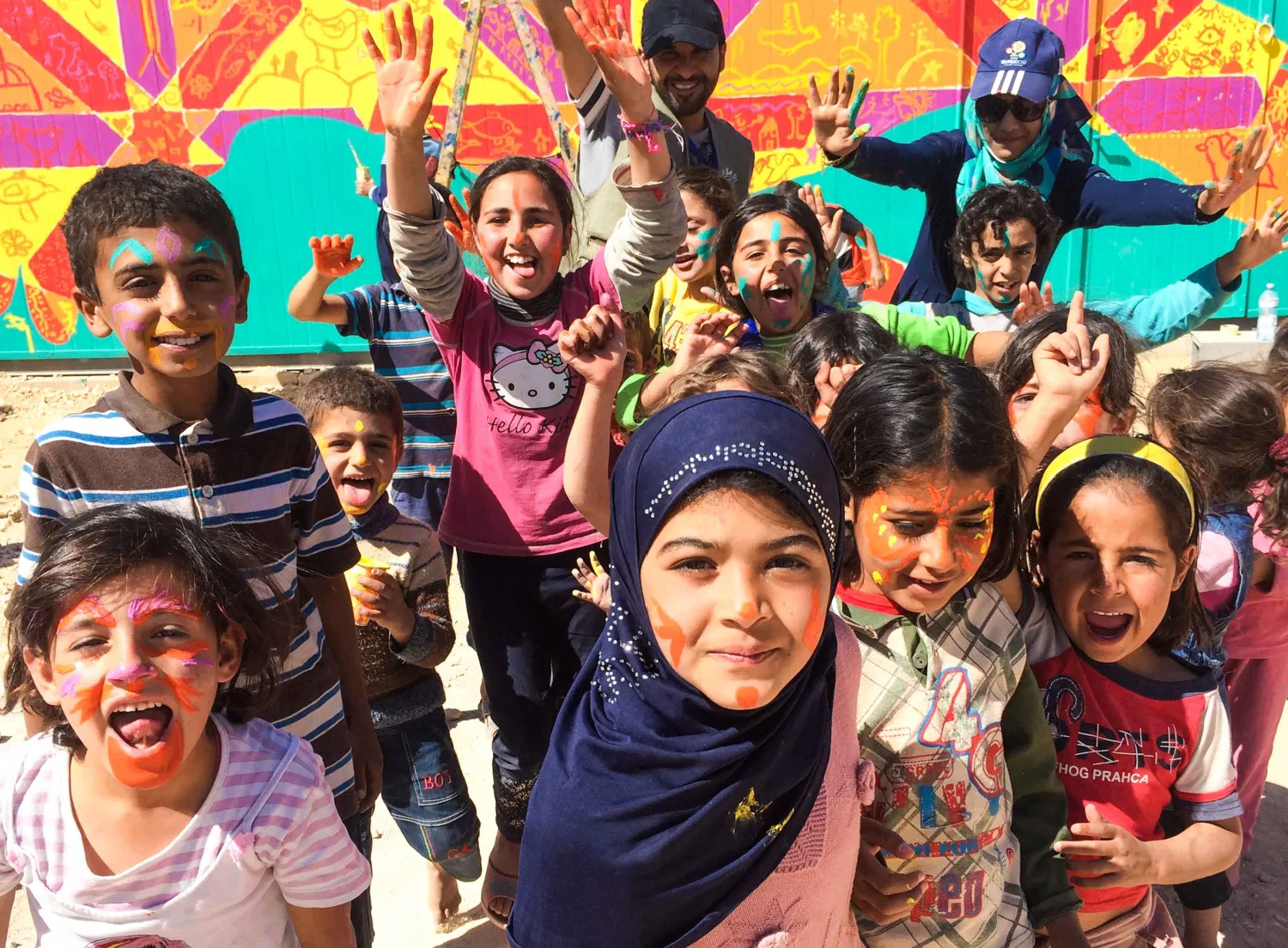
Creativity is built on infrastructure
When we talk about artists, we tend to speak in terms of ability: who is gifted, who is promising, who is exceptional. Rarely do we talk about the conditions that allow those abilities to develop in the first place.
A violin does not matter if there is no one to afford it. A script does not matter if there is no time or space to write it. A painting cannot exist without paint, canvas, or a surface to begin on. Even imagination, often described as limitless, is shaped by exposure — by what a person has seen, been allowed to experience, been given permission to try.
Lessons cost money. Instruments cost money. Software costs money. Transportation costs money. Applications cost money. Time itself costs money, because time spent creating is time not spent earning or supporting a family. Even participation in creative spaces often carries fees that quietly determine who gets to enter and who remains outside.
These are not dramatic barriers on their own. That is what makes them effective. They do not announce themselves as exclusion. They accumulate quietly until opportunity becomes something that feels available only to certain people.
The myth of "natural talent"
There is a phrase that appears again and again in stories about successful artists: they were naturally talented.
It is a comforting explanation. It suggests that creativity is fair — that it simply finds its way to those who deserve it. But “natural talent” often conceals something more complicated: time, repetition, mentorship, and exposure that were never evenly accessible in the first place.
A young person who has access to private lessons after school is not just learning technique. They are being given repetition. A student who can afford to attend summer arts programs is not just building a portfolio. They are being given continuity. A teenager who has a parent or teacher who understands the arts industry is not just being supported. They are being guided through systems that are often invisible to those outside them.
When we see the finished work — the performance, the film, the painting, the published piece — we are often seeing the result of years of accumulated access, not just individual brilliance. This is not to diminish talent. It is to recognize that talent is rarely alone.
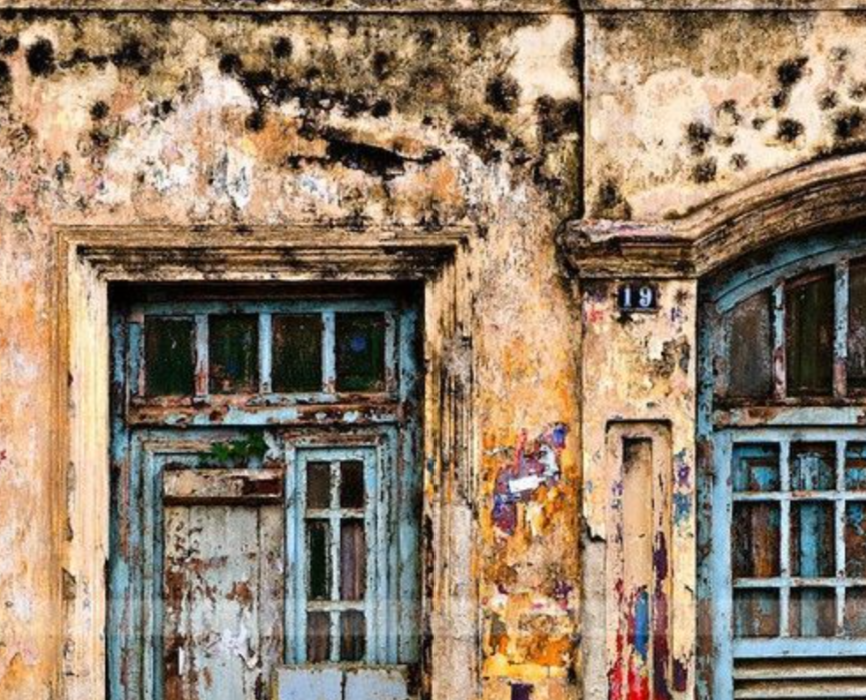
A divide mistaken for difference in ability
Across North America, arts participation is often framed as a matter of interest: who chooses to pursue it, who prioritizes it, who commits to it. But beneath those choices is a quieter structure that determines what is realistically possible.
For some young people, creative exploration is casual. It exists in the background of their lives — an instrument in the living room, an art class after school, a workshop they can try without consequence. For others, creativity exists only as something observed from a distance. Not because they lack interest, but because every entry point carries a cost — financial, geographic, or social.
We begin to believe that certain people are “more artistic,” when in reality they are simply more resourced.
I remember the first time I started editing videos seriously, I did not think of it as “pursuing media.” It was just something I did repeatedly, instinctively, without fully understanding where it might lead. What I did not recognize at the time was how much access shaped even that beginning — the availability of tools, platforms, and time to experiment without immediate consequence.
Over time, I started noticing something that I could not ignore. For every young creator who seemed to “break through,” there were many more whose creativity existed quietly, without an audience, without structure, and often without continuation. Not because they were less capable. But because starting — and continuing — requires conditions that are not evenly distributed.
Inequality shapes imagination itself
This is the most dangerous consequence of inequality: it doesn't just stop people from participating; it narrows the scope of what we believe is possible. If you never see yourself in the studio, if you never see a path into the industry, if you never have the tools to practice, you don't just “not participate.” You stop imagining that it is a space for you.
It is difficult to imagine becoming something you have never seen up close. It is difficult to pursue a path you have never been shown how to enter. When creative spaces are concentrated in certain schools, communities, or income levels, they do more than exclude participation — they quietly shape what young people believe is possible for them.
A student who has never been inside a studio does not necessarily think, “I am not good at art.” They may simply never think to begin at all. This is how inequality becomes subtle. It does not always announce itself as limitation. Sometimes it appears as absence.
Access is a sequence of thresholds
Access is often reduced to a simple idea: being able to join. But in reality, it is layered. It is knowing that a program exists. It is having transportation to get there. It is affording the materials required to participate. It is having time that is not already consumed by necessity. It is having someone who believes your participation is valid enough to support.
Access is not a single door. It is a sequence of thresholds. And at each threshold, some people are quietly turned away — not because they tried and failed, but because they never had a fair chance to enter in the first place.
When we lose creative potential, we do not only lose individual artists. We lose perspectives. We lose stories that have never been told. We lose ways of seeing the world that never had the chance to form fully. The absence is not always visible, which is why it is often overlooked. But it accumulates over time — in who appears on stages, whose films get made, whose writing gets published, whose work gets recognized as “representative” of a generation. And perhaps more importantly, it accumulates in who does not appear at all.
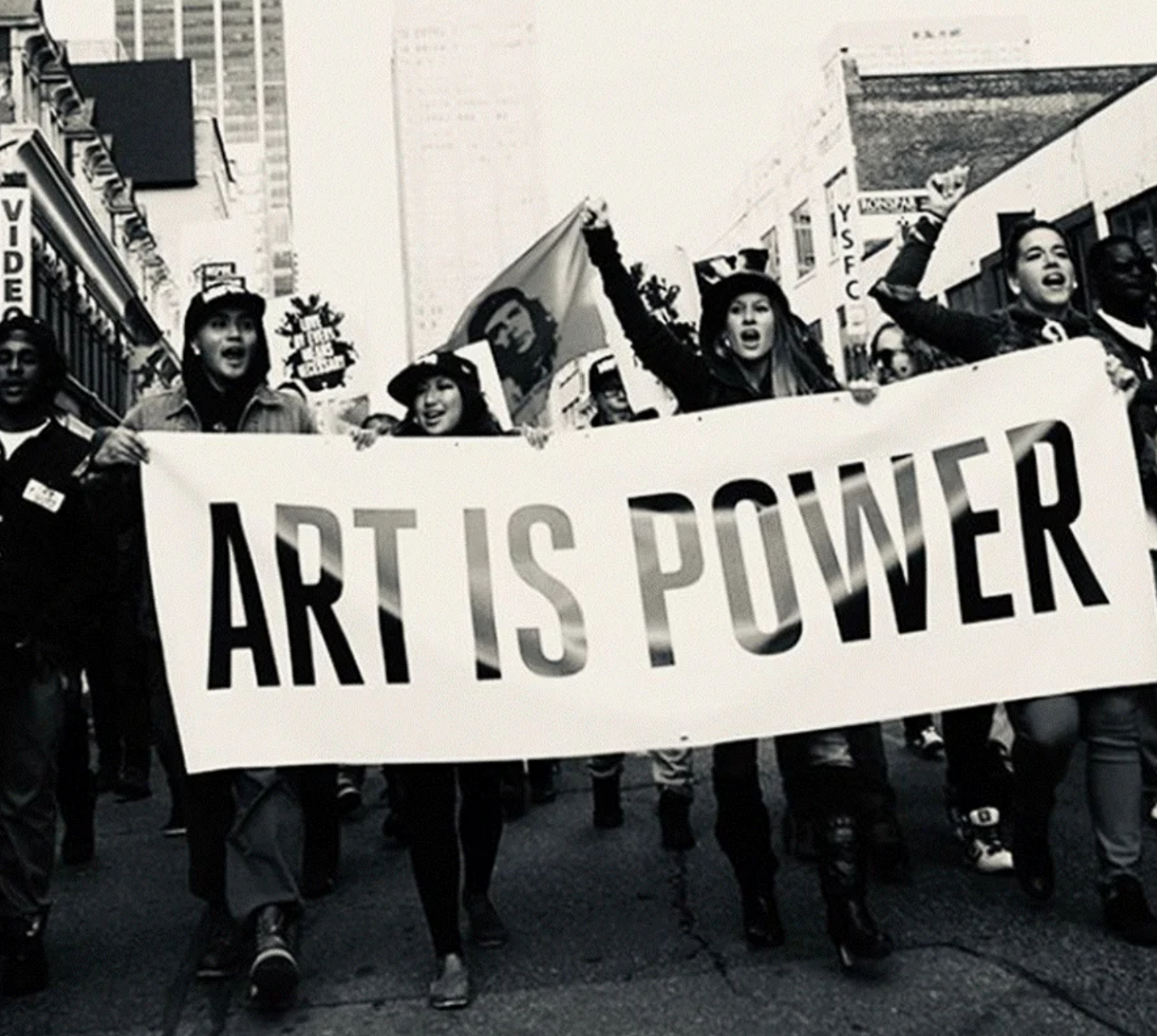
There is a reason we are drawn to stories of talent that “emerges against all odds.” They are powerful because they feel rare. But rarity should not be mistaken for inevitability. Creativity does not need to be discovered. It needs to be supported. And support is not just encouragement. It is access.
The question, then, is not whether young people are creative. They are. The question is how many of them are ever given the conditions to find out what they could become if they were allowed to begin.
Because the true cost of creativity is not only what it takes to make art. It is what we lose when access decides who gets to try.
Written by Wareesha Khan for The Access Series — a Mosaic Bridge Project publication.