How Art Lives in Daily Life: The Creative Acts Everyday People Don't Even Realize They're Making
We picture art in galleries and on stages. But most of it starts quietly, in the ordinary choices people make to shape their world.
Art is recognized all around the globe. However, when people think of "art," they often envision a painting in a gallery, a performance on a stage before a large audience, or a sculpture displayed in a museum. We tend to view artists as individuals who possess training, talent, and deliberate intent.
But what we don't consider is a fundamental truth: everyday people create art all the time, often without even realizing it.
There is a version of art that we like to accept as reality. It appears polished, intentional, and categorized. In this perspective, an artist stands in front of a canvas, a musician writes a melody, and a writer composes a narrative. In this scenario, art seems detached from daily life, produced solely by "artists" rather than by everyday individuals.
We frequently repeat this narrative. Not because it is entirely untrue, but because it leaves out an essential part of the story. It overlooks the creative acts that occur before anything resembles "art." We are not talking about exhibits or performances, but rather the small, instinctive expressions of creativity that people engage in without even thinking about it. These actions are abundant and far more prevalent than the types of art we typically categorize.
Art resides in simple habits
When discussing creativity, we often envision large gestures. Yet, most art starts in a quiet manner. Someone might arrange the objects on their desk until it feels just right. A teenager could put stickers on their phone case to personalize it. A parent may braid their child's hair in a design passed down through generations. A cook might present a meal beautifully, even if no one else notices.
These moments are not mere chance; they are choices reflecting creativity. They shape how individuals interact with the world around them. We might not label them as art, but in truth, they are.
The overlooked creativity in communities
In neighborhoods, cultures, and families, people engage in creative acts without even realizing it. A community may come together to paint a mural on a wall of a corner store. A group of friends might choreograph a dance for TikTok. Families get together to decorate their homes for holidays. Local shops create handwritten signs filled with artistic flair and color.
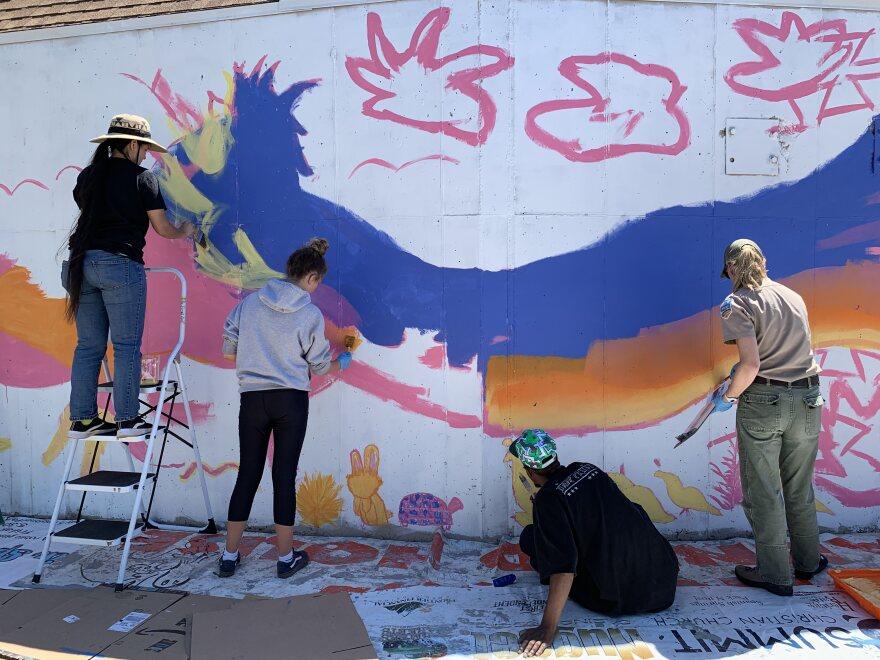
These moments of creativity aren't framed or showcased in galleries. They aren't made to be graded or critiqued. Yet, they are undoubtedly art — shared experiences that bring people together. Art doesn't only belong to established institutions; it belongs to each community.
Expression without labels
Many people think they are "not artistic." What they often mean is that they don't create what is considered "formal" art. They tend to overlook simple expressions like singing in the shower, doodling in a notebook, choosing an outfit, telling stories, decorating a space, or even curating a playlist.
People are constantly creating art without needing permission or formal training. They do it because self-expression is an innate human trait, not a professional endeavor. Art is not just something people "do"; it's a part of who they are.
Why these small acts matter
When we ignore everyday acts of creativity, we miss the meaningful ways that individuals shape their lives. A drawing on a school desk is more than just a doodle — it represents a moment of escape. A handmade birthday card is more than just paper — it embodies visible care. A neighborhood festival is not merely an event — it is a way to keep culture alive. A shared joke that becomes a meme is not just humor — it fosters community bonds.
These creative moments help form identity, memory, and a sense of belonging. They allow individuals to feel connected both to themselves and to one another. Art isn't something rare; it is an ever-present part of life.
Where humans live is where art lives
In reality, art is not confined just to the spaces designed for art alone. It inhabits the spaces where humans live their lives. In the way flowers are arranged on a table. In the way a child draws on the pavement with chalk. In the way stories are told around a bonfire. In the way a person whistles a tune as he walks home.
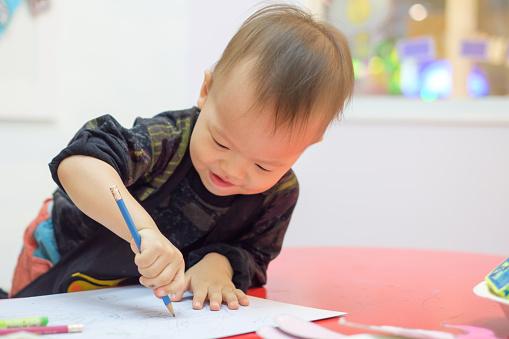
Art is not an event. It is a habit of being human.
The creativity that has been there all along
This is why it is easy to overlook everyday creativity; it becomes too familiar to notice. When experiences become everyday occurrences, the art in them becomes invisible. Small creative acts are seen as simple habits rather than pieces of art, and thus do not "qualify" as art. However, the fact that people view a certain action as commonplace does not necessarily reduce its significance.
Everyday acts of creativity — creating one's environment, color usage, storytelling, setting the right mood and identity — illustrate how people actually make art without even knowing about it. Whether or not someone views themselves as an "artist" makes no difference here. What really matters is the way they express their identity. Selecting wallpaper on a cell phone. Organizing a space to make it calm and cozy. Creating one's own personal handwriting.
If we fail to acknowledge the importance of our daily creativity, we will miss out on how people find meaning in their lives. The drawing of a child on a chalkboard is an expression lesson. A personalized bedroom is an identity lesson. An adorned binder is a reflection of individuality. These acts help people understand that they are the artists of their own lives.
Everyday artists
People are able to make artful and expressive art as well as professional artists. When we recognize everyday art, we change our perception about who should be called an artist. We are no longer expanding our definition of art; we are envisioning how art could evolve.
Why don't we see the creative practices of all people as valid ways of gaining insights and expressing oneself? Why don't we see creativity as something available not only to professionals but to everyone who makes his or her world?
Once you learn to look for it, you realize that art is everywhere.
Written by Mubashir Imran for The Access Series — a Mosaic Bridge Project publication.